Welcome To TERMINUS GROUP
terminus@tslsmart.com

How Edge Computing Enables Smart Cities: Architecture, Applications and Benefits
Table of Content
[Hide]
As cities become increasingly connected, traditional cloud-based systems face challenges in processing massive amounts of real-time data generated by cameras, sensors, vehicles, and IoT devices. Edge computing enables smart cities to process data closer to where it is generated, improving response speed, reducing latency, and supporting more intelligent urban management.
By integrating artificial intelligence, Internet of Things (IoT), and edge computing technologies, modern cities can build more efficient systems for transportation, security, energy management, buildings, and public services. Compared with centralized cloud-only solutions, edge computing allows critical decisions to be made locally while maintaining connection with cloud platforms for large-scale analysis.
For organizations planning digital transformation projects, selecting suitable edge computing solutions is becoming essential for developing scalable and reliable smart city infrastructure.
What Is Edge Computing in Smart Cities?
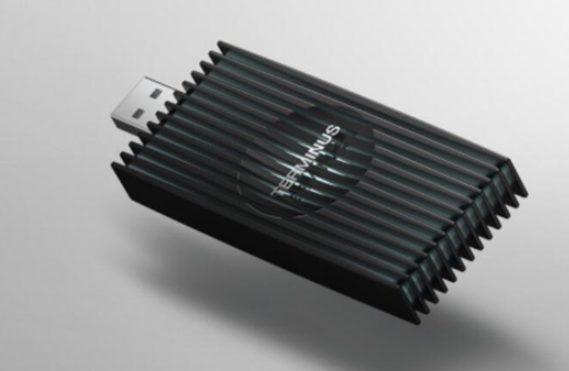
Edge computing is a distributed computing model that processes data near the source instead of sending all information to centralized cloud servers.
In smart city environments, thousands of connected devices continuously generate data, including:
Traffic cameras monitoring road conditions
Environmental sensors collecting real-time information
Smart building systems managing facilities
IoT devices supporting urban services
Traditional cloud computing requires data to travel to remote servers before analysis. This can create delays and increase network costs. Edge computing solves this challenge by introducing local processing capabilities through edge devices, gateways, and servers.
A typical smart city architecture includes:
IoT Devices → Edge Computing Layer → Cloud Platform → Smart City Applications
Why Do Smart Cities Need Edge Computing?
Faster Real-Time Decision Making
Smart cities depend on immediate responses. Applications such as intelligent transportation, public safety monitoring, and emergency management require fast analysis of large amounts of data.
With edge computing, data can be processed locally instead of waiting for cloud transmission. For example, intelligent traffic systems can analyze vehicle conditions and adjust traffic control strategies in real time.
Lower Latency and Better Network Efficiency
As the number of connected devices increases, sending all data to the cloud becomes inefficient. Edge computing reduces unnecessary data transmission by processing important information closer to users and devices.
This improves system performance for applications requiring low latency, including smart transportation, AI surveillance, and automated building management.
Enhanced Data Security and Privacy
Smart cities collect large volumes of sensitive information. Edge computing allows more data processing to happen locally, reducing the need to transfer raw data to external cloud environments.
For example, AI video analysis can be performed at the edge, while only processed results are transmitted to centralized platforms. This approach helps improve privacy protection and system security.
How Edge Computing Works in Smart City Architecture
1. IoT Device Layer
The device layer consists of connected equipment that collects information from urban environments, including sensors, cameras, smart meters, and intelligent terminals.
These devices provide the real-time data required for AI-powered city management.
2. Edge Computing Layer
The edge layer performs local data processing, AI analysis, and decision-making. Instead of transferring every piece of information to the cloud, edge devices filter and analyze data immediately.
For example, an edge gateway can process traffic camera data locally and identify congestion patterns before sending important information to the city management platform.
3. Cloud and Application Layer
Cloud platforms provide centralized management, storage, and advanced analytics, while smart city applications transform processed data into practical services.
Through an integrated AIoT platform, cities can connect different devices, applications, and management systems to create intelligent urban ecosystems.
Applications of Edge Computing in Smart Cities
Smart Transportation and Traffic Management
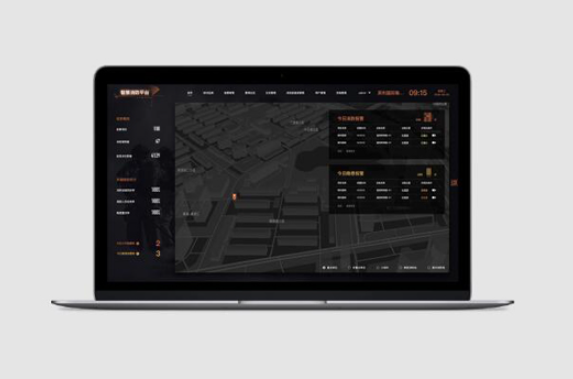
Transportation is one of the most important applications of edge computing in smart cities. Traditional traffic systems often rely on centralized data processing, which may not respond quickly enough to changing road conditions.
With edge computing technology, traffic cameras, sensors, and intelligent devices can analyze information locally and provide faster responses. Cities can optimize traffic signals, monitor congestion, and improve transportation efficiency through real-time data analysis.
By combining edge computing with AI and IoT technologies, transportation systems can become more adaptive, efficient, and sustainable.
Smart Buildings and Energy Management
Buildings generate large amounts of operational data from lighting systems, HVAC equipment, security devices, and energy monitoring systems. Edge computing allows smart buildings to analyze this data locally and automatically optimize building performance.
For example, edge-enabled building systems can adjust energy usage based on occupancy conditions, environmental data, and user requirements. This helps reduce energy consumption while improving comfort and operational efficiency.
Organizations implementing smart building solutions can use edge computing as a foundation for creating more intelligent and sustainable facilities.
Public Safety and Intelligent Surveillance
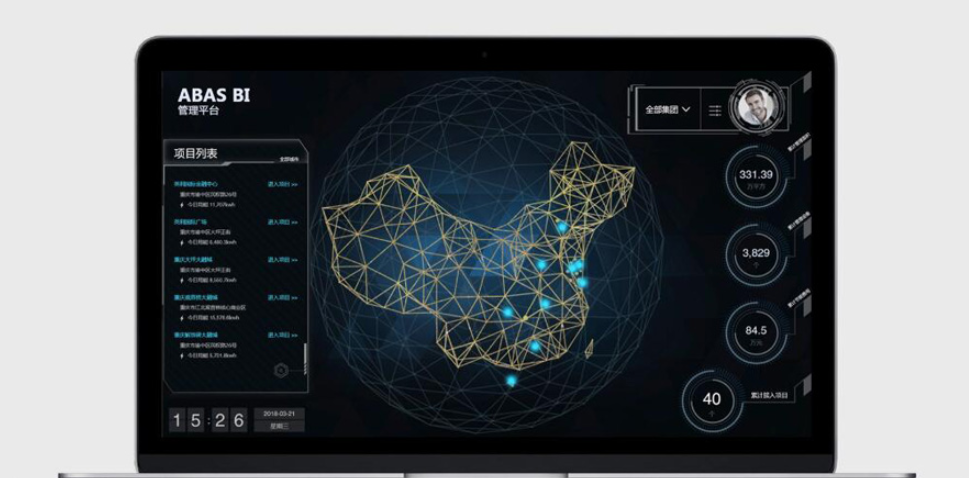
Public safety is another important area where edge computing provides significant value. Traditional surveillance systems often require large amounts of video data to be transferred to centralized servers for analysis.
With edge AI capabilities, cameras and edge devices can analyze video streams locally to identify unusual activities, security risks, or emergency situations in real time.
This reduces network pressure and enables faster responses for urban security management.
Environmental Monitoring and Smart Energy
Smart cities rely on accurate environmental data to improve sustainability. Edge computing allows sensors to collect and analyze information about air quality, water systems, energy usage, and weather conditions.
By processing environmental data closer to the source, city operators can make faster decisions and improve resource management.
Edge Computing vs Cloud Computing for Smart Cities
Edge computing and cloud computing are not competing technologies. Instead, they work together to support modern smart city infrastructure.
| Feature | Edge Computing | Cloud Computing |
| Data Processing | Processed near data sources | Processed in centralized servers |
| Response Time | Very fast with low latency | Depends on network transmission |
| Bandwidth Usage | Reduces unnecessary data transfer | Requires larger data transmission |
| Best Applications | Real-time decision-making | Large-scale storage and analytics |
In a complete smart city ecosystem, edge computing handles immediate processing and decision-making, while cloud platforms support centralized management, long-term analysis, and system coordination.
Benefits of Edge Computing Solutions for Smart Cities
Improved Operational Efficiency
By processing data locally, edge computing enables urban systems to react faster and operate more efficiently. This improves the performance of transportation networks, public services, and infrastructure management.
Better Scalability for Growing Cities
As cities continue deploying more IoT devices, traditional architectures may struggle with increasing data volumes. Edge computing distributes processing tasks across multiple locations, making smart city systems easier to expand.
Reduced Infrastructure Costs
Edge computing reduces unnecessary data transmission and cloud processing requirements. This can help organizations lower network costs while improving system performance.
More Reliable Smart City Services
Because edge devices can continue processing information locally, smart city applications can remain operational even when network conditions are unstable.
Future Trends of Edge Computing in Smart Cities
The future development of smart cities will depend on the deeper integration of edge computing, artificial intelligence, IoT, and automation technologies.
AI-Powered Edge Intelligence
More AI algorithms will run directly on edge devices, allowing systems to analyze information and make decisions without relying entirely on cloud platforms.
Edge Computing and Digital Twins
Digital twin technology creates virtual models of physical environments. Combined with edge computing, digital twins can provide real-time insights for urban planning, transportation optimization, and infrastructure management.
More Sustainable Urban Development
Edge computing will continue helping cities improve sustainability by optimizing energy consumption, transportation efficiency, and resource allocation.
Conclusion
Edge computing is becoming a key technology for building smarter and more efficient cities. By processing data closer to connected devices, it enables faster decision-making, improves security, reduces latency, and supports large-scale IoT deployments.
From intelligent transportation and smart buildings to public safety and environmental monitoring, edge computing provides the foundation for next-generation urban infrastructure.
As cities continue adopting AI and IoT technologies, integrated smart city solutions powered by edge computing will play an increasingly important role in creating connected, sustainable, and intelligent urban environments.
FAQ
What is edge computing in a smart city?
Edge computing in a smart city refers to processing and analyzing data closer to connected devices instead of sending all information to centralized cloud servers. This improves response speed and system efficiency.
Why is edge computing important for smart cities?
Edge computing helps smart cities reduce latency, improve data security, optimize network usage, and support real-time decision-making for critical applications.
What are examples of edge computing applications?
Common applications include smart transportation, intelligent buildings, public safety systems, environmental monitoring, and smart energy management.
Does edge computing replace cloud computing?
No. Edge computing and cloud computing work together. Edge computing focuses on real-time local processing, while cloud platforms provide centralized storage, management, and advanced analytics.
How does edge computing support AIoT?
Edge computing provides local computing capabilities for AIoT devices, allowing artificial intelligence algorithms to analyze data faster and enable smarter automated decisions.
References